COTS Boards
ATE & Test Systems
- - Avionics Suite Tester
- - BrahMos Checkout
- - Digital Flight Control Computer
- - Go No Go testers
- - Power Module Tester
- - Generic RF ATE
- - Cable Harness Test System
- - Bus Management Unit
- - Count Down Test System
- - INTU ATE
- - Redundant Strap Down INS ATE
- - Scan Mirror Test
- - Strain Data Acquisition System
- - Laser Guided Bomb Tester
RF & Microwave
- - RF
Space Systems
Electronic Warfare
Cockpit & Rugged Displays
Radar and Radar Subsystems
Identify Friend & Foe
Avionic Systems
Laser and Electro Optic System
Power Supply
Naval Systems
Communication Products
Gimbal and Actuator Controller Products
Launch and Fire Control Systems
High Speed Processors
Digital IF Processors & Waveform generators
Console
Navigation System
Software & Application Products
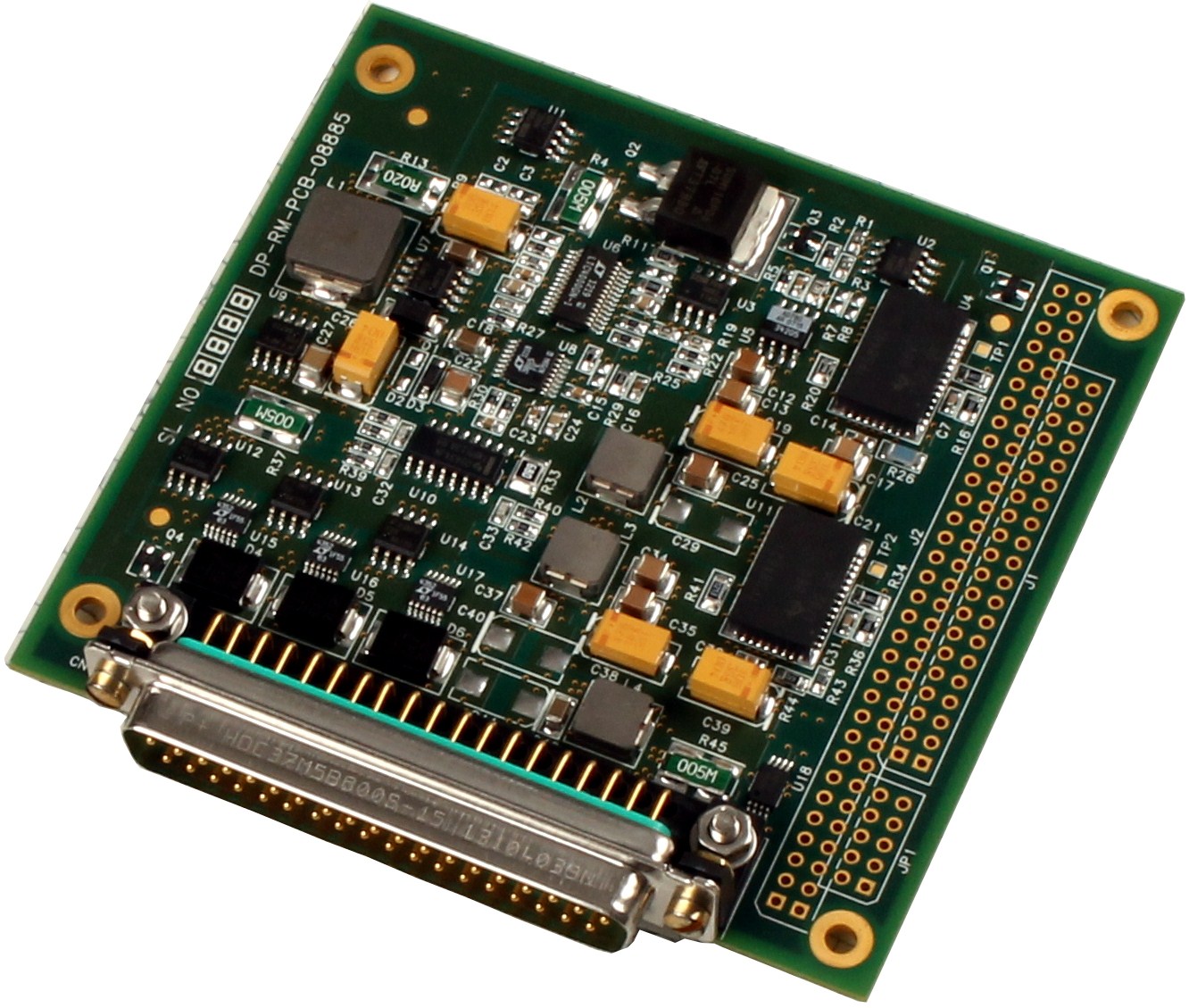
The Electrical Power System (EPS) from Data Patterns is a flight qualified, power supply module designed for Micro/Nano/Cube satellite platforms. The EPS module is designed to be interfaced to two solar panels with Advanced Triple Junction (ATJ)/ Ultra Triple Junction (UTJ) type solar cells and one external supply terminal for battery charging. Ideal diodes are provided in each input to isolate and block the reverse current during failure of any one of the solar panels.
The module can accept a maximum input voltage of 14V from each panel and also has a feature to monitor the voltage and current of solar panels. The module has a battery charge/discharge regulator, voltage regulators and distribution electronics.
● Maximum Power Point Tracking based Battery Charge Regulator to extract maximum power from the solar panel.
● Battery Charge Regulator suitable for Li-ion and Li-polymer batteries.
● Battery depth of discharge control.
● Ideal diode for each solar panel input to block reverse current.
● Solar panel input power and voltage monitoring.
● On board temperature and battery temperature monitoring.
● Battery voltage and capacity monitor.
● Provision for dead launch operation with two launch separation switches.
● PC104 form factor compliant.
| Product Name | Description | View |
|---|---|---|
| DP-PSU-7056 | Electrical Power System |

|
1. Electrical Power Supply module
2. User Manual (EPS)
-
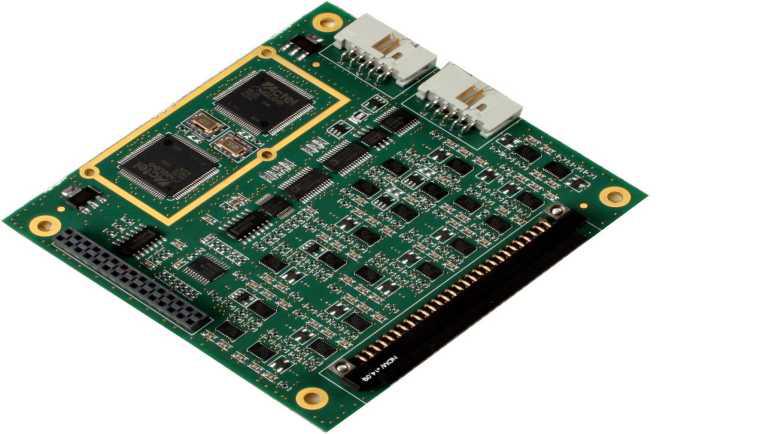
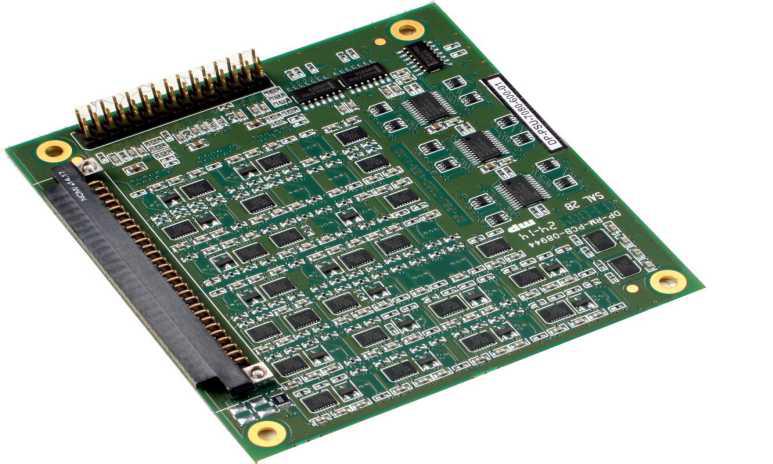
Optional Add on Cards
3. Power Distribution Module
4. Power Distribution Module – Expander
5. JTAG (FPGA) Programmer
6. User Manual (PDM & PDM-E)
1. Lab Model
2. Qualification Model
3. Flight Model